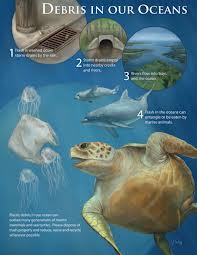
Now that we know exactly how bad an issue this really is, we need to become experts because knowledge is POWER! Time is ticking, so take a look at these websites and find out more about the ocean’s garbage problems.
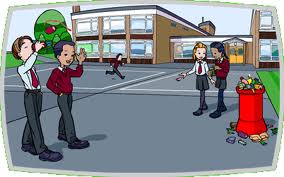 |  |
Ok so now we’re all experts, GO TEAM! Now the mission is to investigate what is in our own lunch boxes. In your small groups, the school yard correspondent interviews all other members of the group and records the contents of their lunchboxes in the table HERE. You need to look for the following things: pieces of plastic, paper, degradable material eg. fruit, or other materials. This makes it clear exactly what kinds of rubbish we create every day.
We have to make this information accessible to the general public in a way that they can understand. A great way to do this is to make a pie chart. Convert your table into a graph include a title, categories, and percentages of each material. Display this chart in your classroom and compare your groups chart with others in your class.
Reflecting on your investigation, what can we learn from our graphs? Think about the following questions:
- What is the material with the highest percentage?
- Why do you think this is?
- Compare your groups results with the rest of the class.
- Which material will impact our oceans in the most negative way?
- What are some possible solutions to this?
 |  Click me to continue... |
