The local goverment is highly involved in keeping our oceans clean and protecting marine life. Their role is to come up with Action Plans in the community to help prevent rubbish from getting into the ocean. Here is some information about what the local government does to protect the ocean. National Waste PolicyThis Plan aims to inform the people about how to stop rubbish at its source, reduce waste, increace recycling and encourage industries that pollute to take responsibility for their products. Caring for our CountryThis program sets up clean-up projects around the country with special funding given to them from the government. Meeting the Litter Challenge The government initiated a public education and awareness campaign that encouraged the local government to place new recycling bins at key locations such as sporting grounds and along the Yarra River. |  The information on this page will help the Local Governent Representative play their role in the main Rich Task of the News Flash. They can use this information to answer questions from the interviewer as well as any other information they find while completing this iQuest. 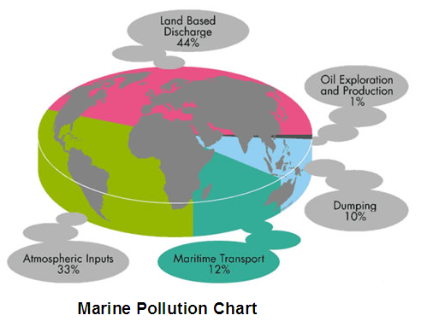 It's time to see if everything you have learnt has sunk in! Click on the link and print out the questionnaire. With a partner read the questions to each other interview style and record your answers. Give your questionnaire to your teacher who will have the answers to the questions.  |
People once assumed that the ocean was large enough to disperse or dilute pollutants to safe levels. But some toxic man-made chemicals have become so concentrated that they have entered the food chain.
Oil enters the marine environment through drains and rivers, and from acute oil spills. Fertilisers are causing algae blooms and oxygen depletion in the coastal and marine environment and sewage can cause environmental and human health issues. Toxic chemicals are entering oceans through either illegal dumping or run-off from land-based activities. Harmful concentrations of pesticides have even been detected deep inside the Great Barrier Reef World Heritage Area– 60 kilometres from the coast.
The amount of human debris entering the marine environment is also of significant concern. Items such as plastic bottles and bags, food packaging, cigarette butts and fishing gear are commonly sighted and cause harm to protected birds, sharks, turtles and marine mammals. Injury or death through drowning, entanglement, internal injuries or starvation commonly follow ingestion of this debris.